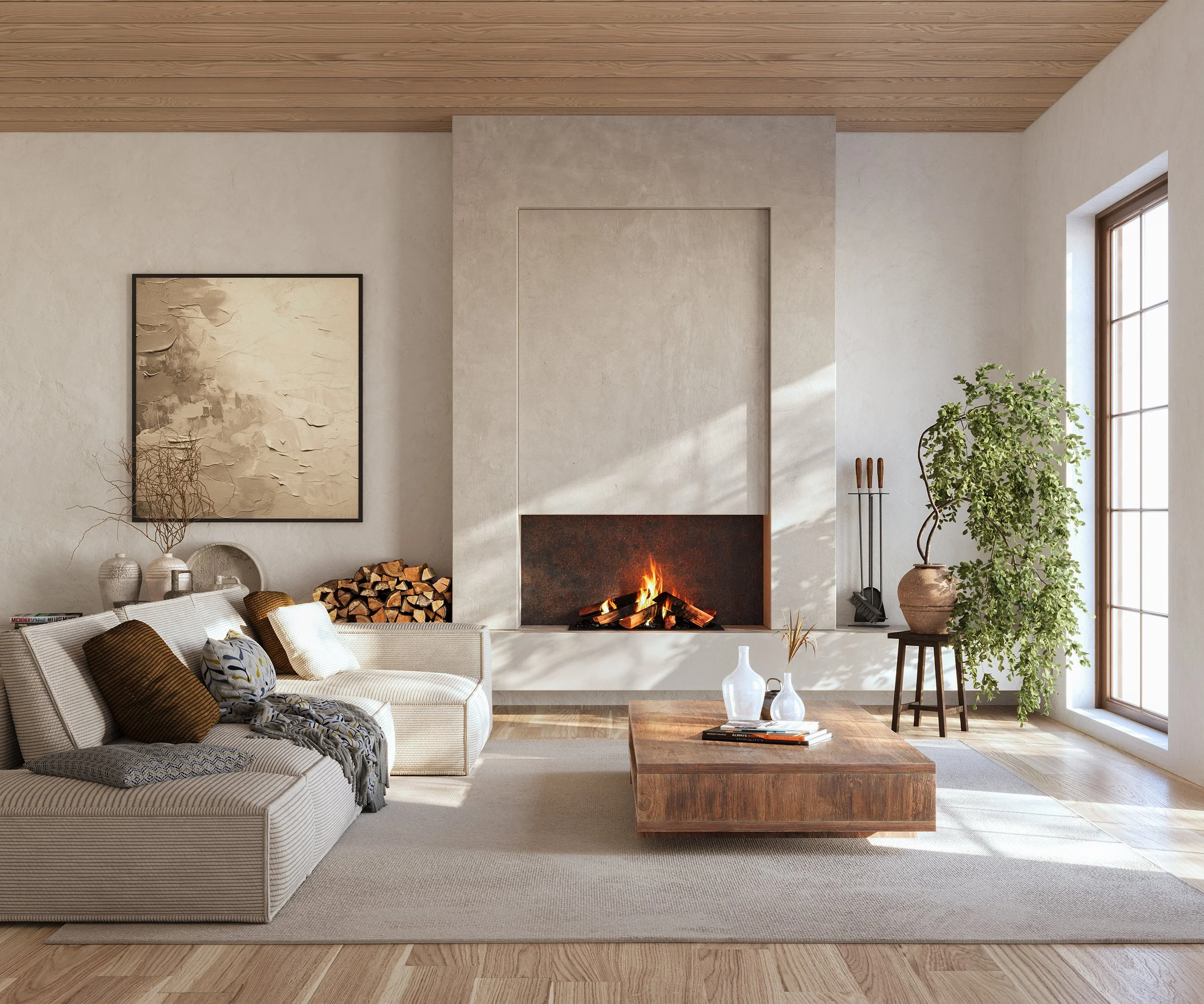

Instant Calm: Design Principles for a Home that Supports Your Nervous System
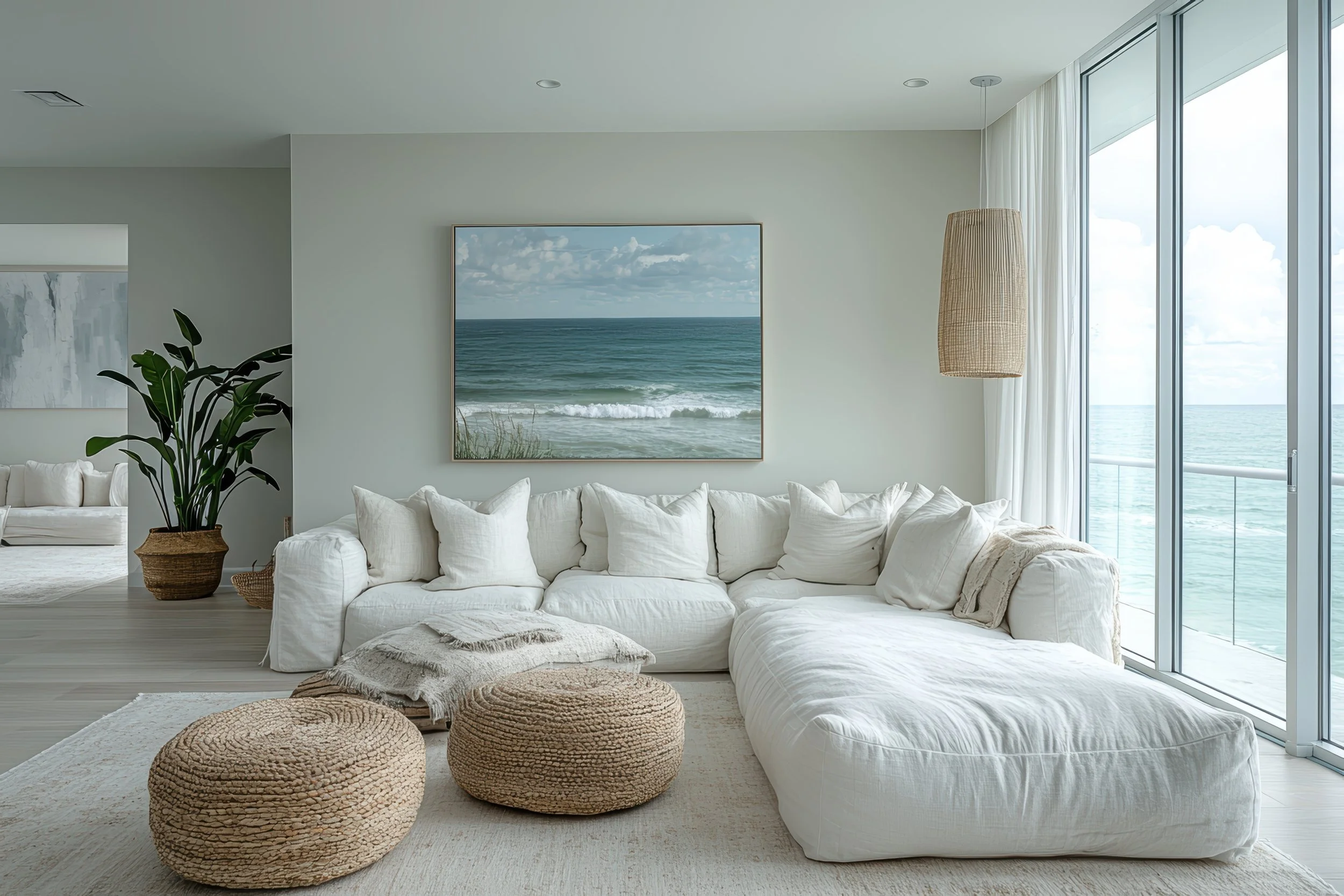
Imagine this: you arrive home after a long, stressful day, and the moment you walk through the door your body begins to relax. The tension you’ve been carrying all day starts to soften, and your mind slowly settles as the space around you welcomes you in. You set your bag down by the door and sink into your favorite chair, exhaling for what feels like the first time all day. A calm home has the power to support your nervous system and help your min settle from the demands of the day.
Spaces that support this kind of nervous system response rarely happen by accident. They are created through intentional design decisions; thoughtful choices about color, lighting, materials, and balance that shape how a home feels the moment you enter it. So what creates that sense of calm in a home? In most cases, it comes down to a handful of design elements working together in thoughtful ways.
Color Sets the Emotional Tone of a Space
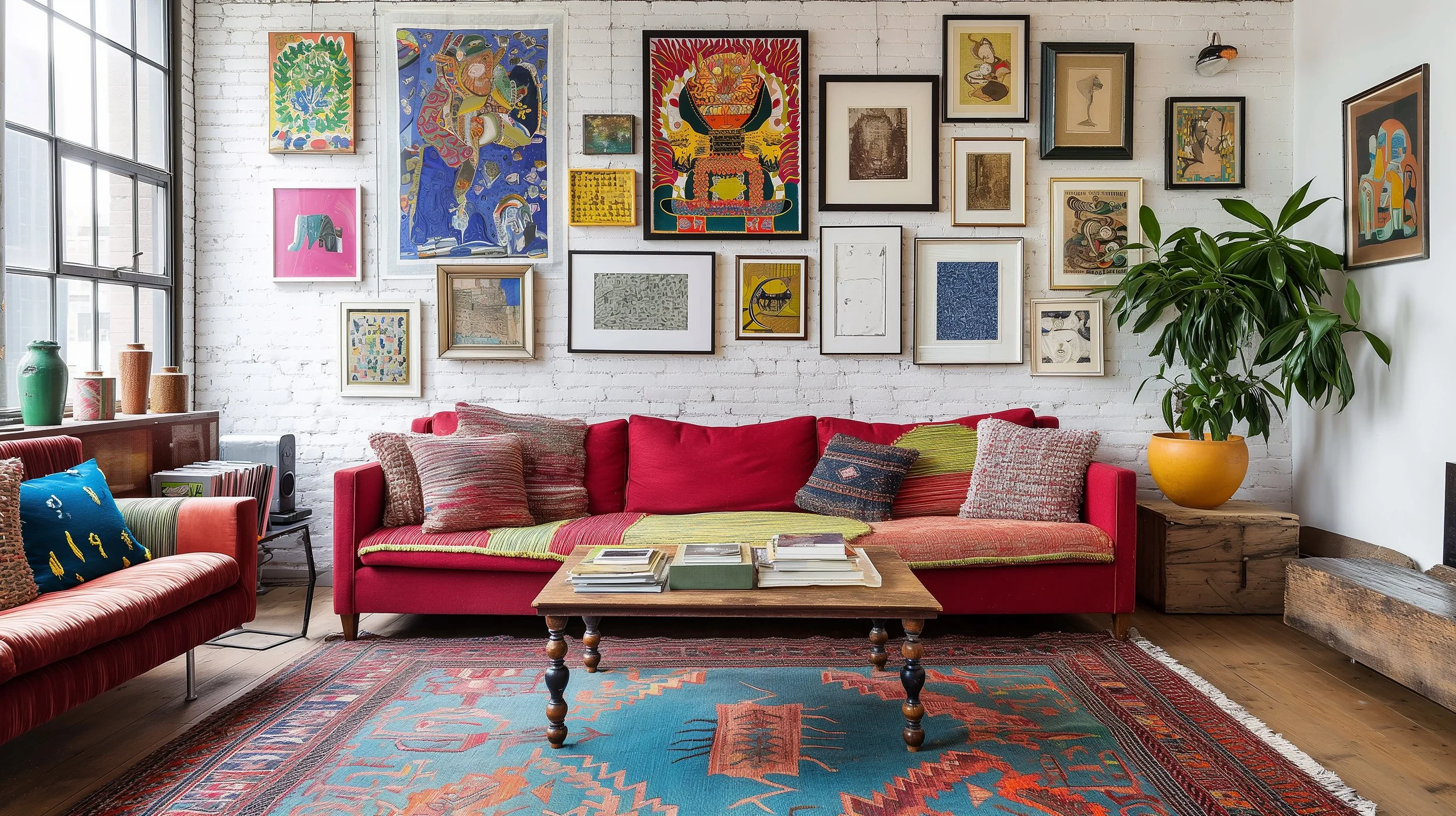
Color is one of the most powerful influences on how a room feels. Even when we are not consciously thinking about it, color affects our perception of warmth, brightness, depth, and mood. Our brains process color almost instantly, which is why the palette of a room often sets the emotional tone before we even begin to notice the furniture or décor. When colors within a space share similar undertones and feel cohesive with one another, the eye can move comfortably throughout the room. This visual harmony creates a sense of ease that contributes to the overall calmness of the environment.
On the other hand, when undertones clash or too many competing colors are introduced, a room can feel subtly tense or visually busy. Even if each color is beautiful individually, the lack of cohesion can make the space feel unsettled. This is why thoughtful color selection is often the foundation of calm interior design. A well-balanced palette provides structure and clarity for the rest of the room to build upon. When the color relationships in a home are intentional, everything else, furniture, textiles, lighting, and artwork, tends to fall into place more naturally.
Limiting Visual Noise Creates Mental Rest
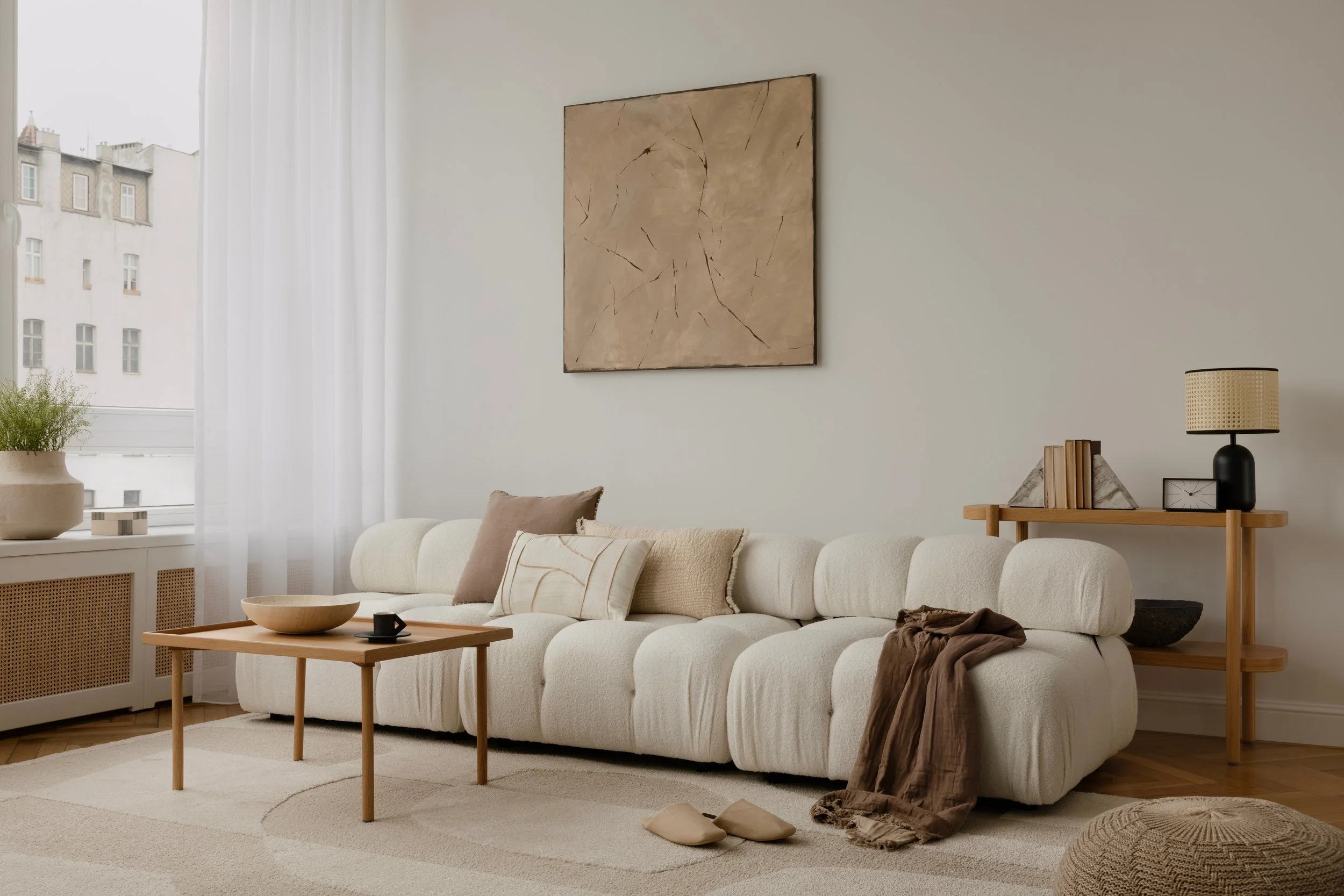
One of the biggest differences between a space that feels calm and one that feels overwhelming is the amount of visual information the brain has to process. Our environments constantly send signals to our nervous system. When a room contains too many competing colors, patterns, materials, and decorative elements, the eye has to work harder to process everything it sees. This visual overload can create a subtle sense of tension or restlessness, even if we cannot immediately identify the cause. Calm interiors tend to simplify this experience by creating visual clarity.
This often means using:
• fewer dominant colors throughout the space
• repeating tones and materials to create rhythm
• simplifying competing patterns
• allowing for intentional negative space
Negative space, in particular, plays an important role. It gives the eye a place to rest and prevents the room from feeling visually crowded. A calm home does not have to be minimal, but it usually feels organized and cohesive rather than chaotic. The elements within the space feel connected instead of competing for attention.
Texture Softens a Space
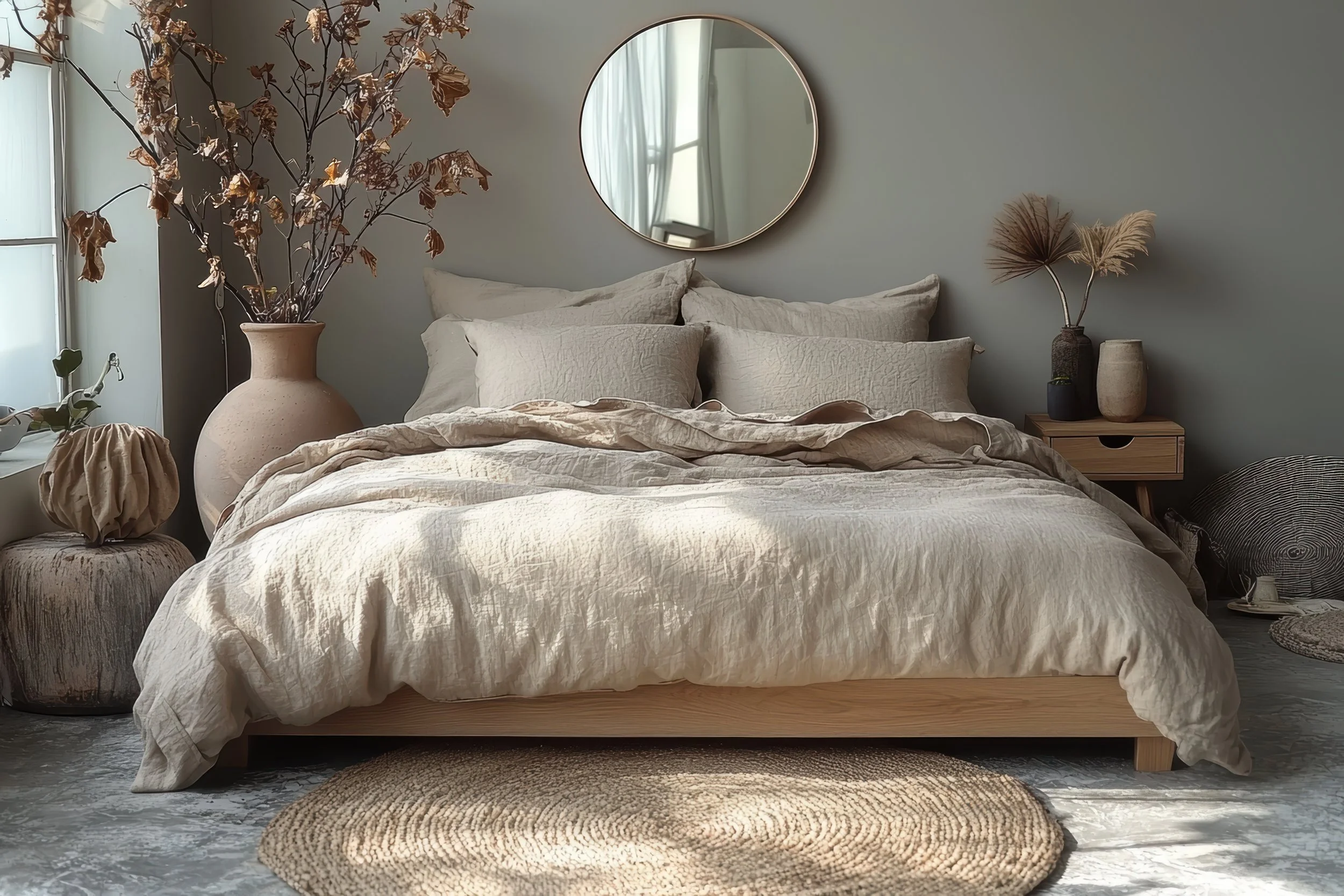
While color creates structure within a room, texture adds warmth and depth. Many calm interiors rely on layered textures to create visual interest without introducing visual chaos. Natural materials such as linen, wood, wool, stone, cotton, and woven fibers are especially effective because they bring softness and subtle variation to a space.
Unlike highly reflective or synthetic materials, these textures tend to absorb light and create gentle shadows. This softens the overall atmosphere of the room and helps the space feel more grounded. Layering textures also allows a space to feel interesting without relying on bold colors or heavy decoration. A room filled with soft textiles, natural materials, and organic surfaces can feel rich and inviting while still maintaining a sense of calm. These subtle variations add warmth and visual balance without overwhelming the eye.
Light Shapes How a Space Feels
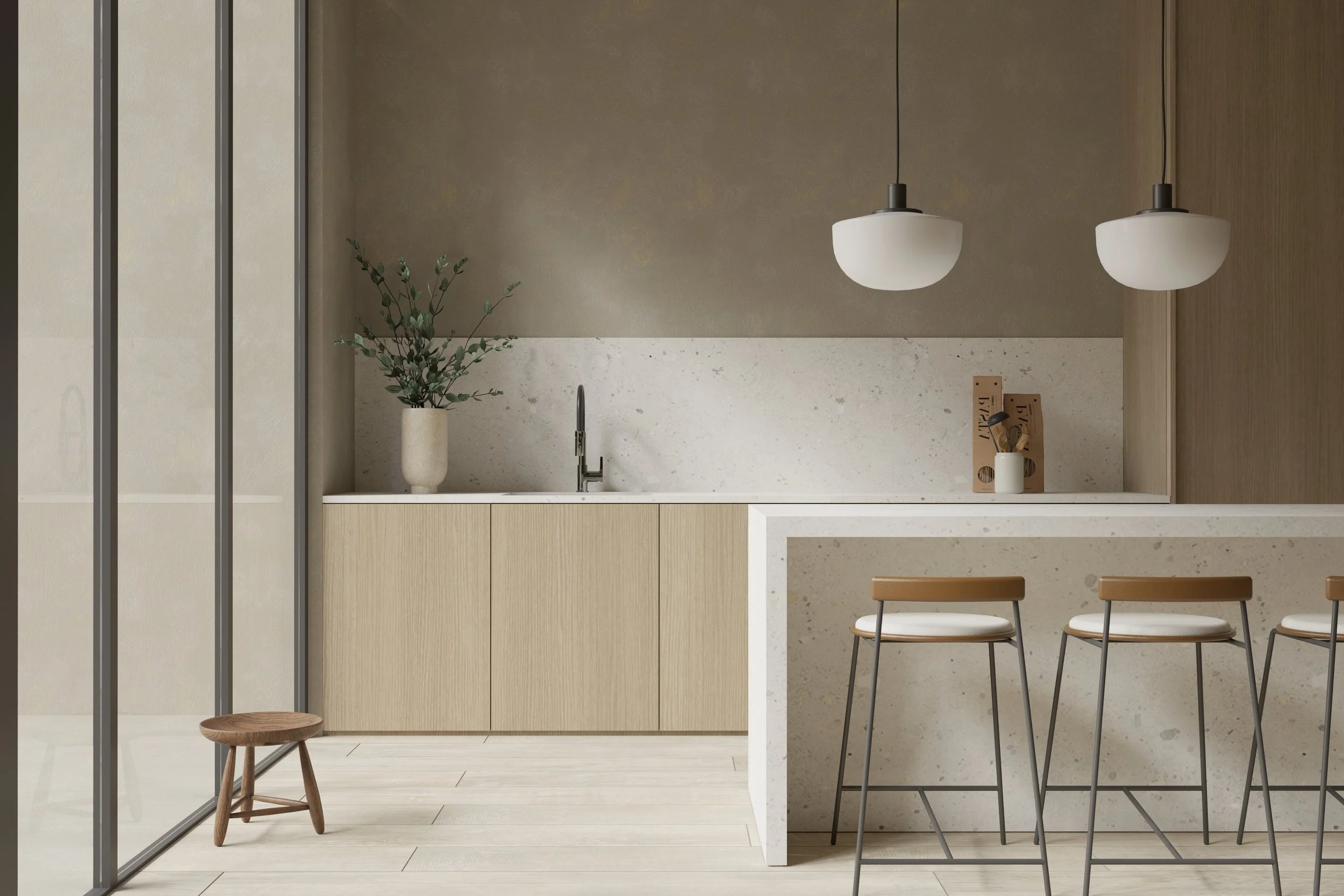
Lighting is one of the most powerful, and often overlooked, elements in interior design. The direction, intensity, and quality of light can dramatically affect how colors appear and how a room feels throughout the day. Natural light changes depending on the orientation of the room. North-facing spaces often receive cooler, softer light, while south-facing rooms typically feel brighter and warmer. East-facing rooms experience gentle morning light, and west-facing rooms receive stronger afternoon light.
Understanding how light moves through a space can help guide decisions about paint colors, finishes, and materials. In addition to natural light, artificial lighting also plays an important role. Calm interiors often rely on layered lighting, which includes a combination of ambient lighting, task lighting, and accent lighting. When these lighting sources work together, they create depth and flexibility within the space.
When lighting is thoughtfully balanced and aligned with the colors in the room, the environment feels softer, more comfortable, and more inviting.
Cohesion Creates a Sense of Calm
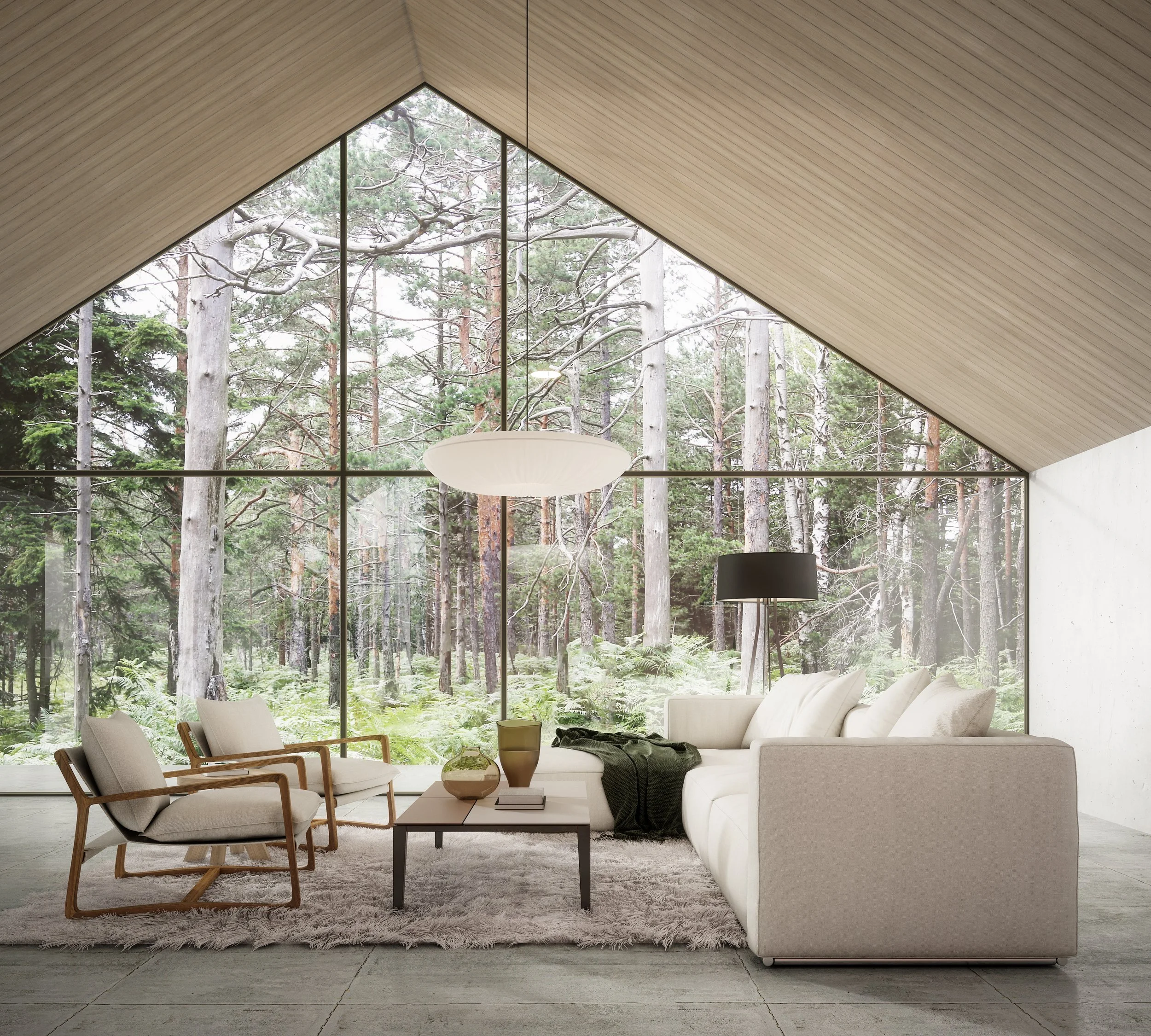
Another quality that calm homes often share is cohesion. When the elements within a space feel connected, through repeated colors, complementary materials, or consistent design language, the room feels intentional and harmonious. Cohesion helps guide the eye naturally through the space. Instead of feeling scattered or disconnected, the different elements of the room feel like they belong together.
This does not mean everything has to match perfectly. In fact, spaces often feel more interesting when there is variation. The key is that the variation still feels related. For example, different shades of a similar color family, or a combination of materials that share a similar warmth or undertone, can create a layered look that still feels balanced.
This quiet harmony is often what people are noticing when they say that a home simply “feels good.”
Designing a Calm Home Is Intentional
The spaces that feel the best are rarely accidental, they are thoughtfully designed with intention. Color relationships, lighting conditions, materials, and visual balance all influence how a space is experienced, even when we are not aware of it. If we can understand these subtle influences, we can create a home that serves and supports our moods, energy, and sense of calm. When we use color, texture, materials, and lighting in harmony, a home becomes more than just a place to live. It becomes a space that supports rest, clarity, and emotional comfort.
Creating that feeling does not require a specific design style or perfectly styled rooms. It simply requires thoughtful decisions about the elements that shape the atmosphere of a space. A calm home is not just about aesthetics, it is about creating an environment that allows you to feel grounded and at ease.